Our Services
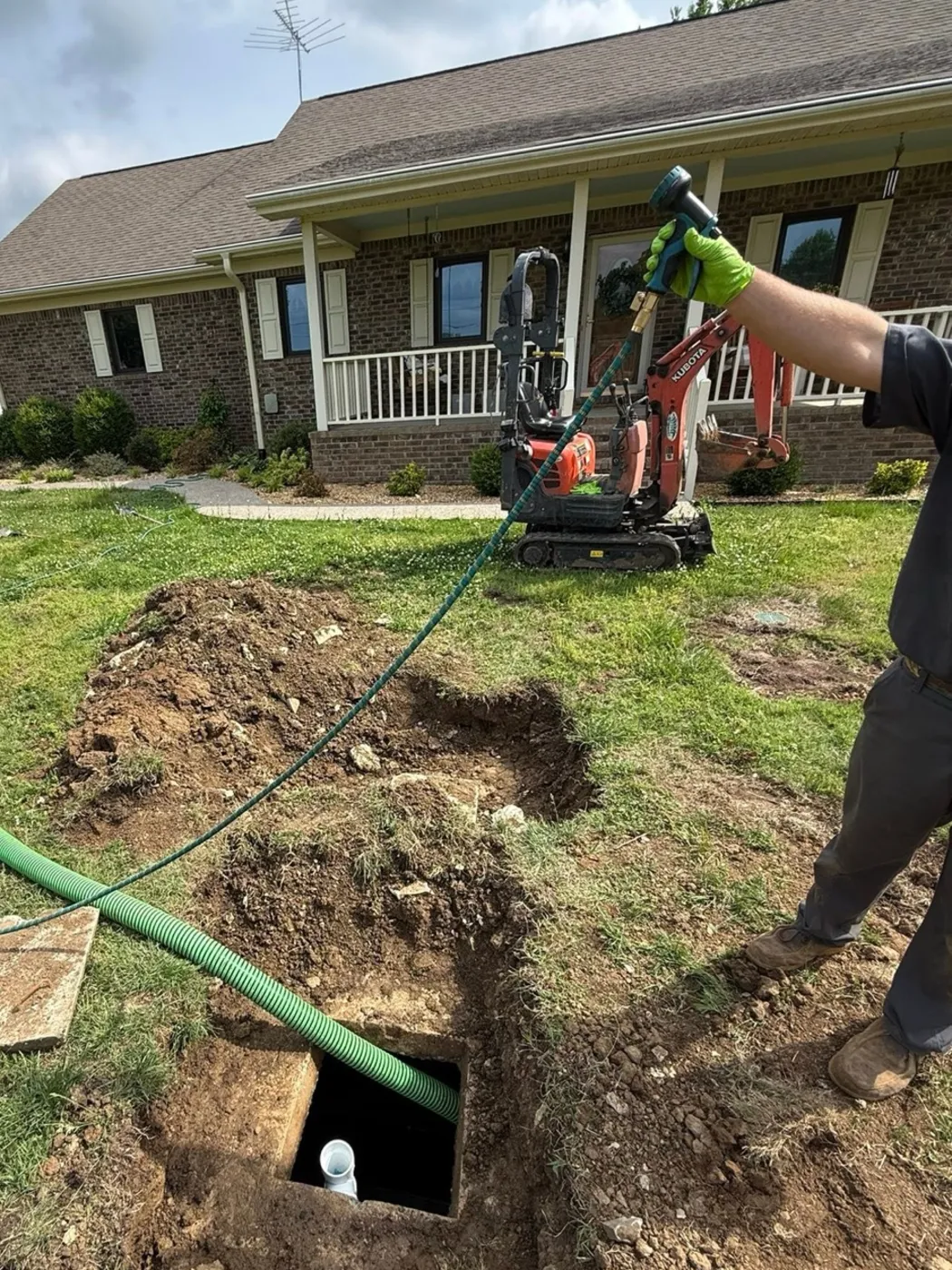
Septic tank riser installation brings a buried tank lid up to the grass where you can reach it. A riser is a stacked ring, usually plastic, sealed onto the tank's access opening. The lid sits at grade or just above it. Around Thompson's Station and the rest of Williamson County, plenty of tank lids sit a foot or two under sod. Every pump out or inspection starts with a shovel until that changes.
Septic Superior is a family septic company based in Thompson's Station. There is more than 20 years of septic work in Williamson County behind the company. We have seen how tanks were set here and how deep the lids end up. We set risers on new tanks during a septic system installation. We also add them to tanks that have sat buried for decades. Most riser work pairs with a septic tank pumping visit, when the lid is open anyway. Estimates are free and done on site.
Tell us about your project and we will get right back to you.
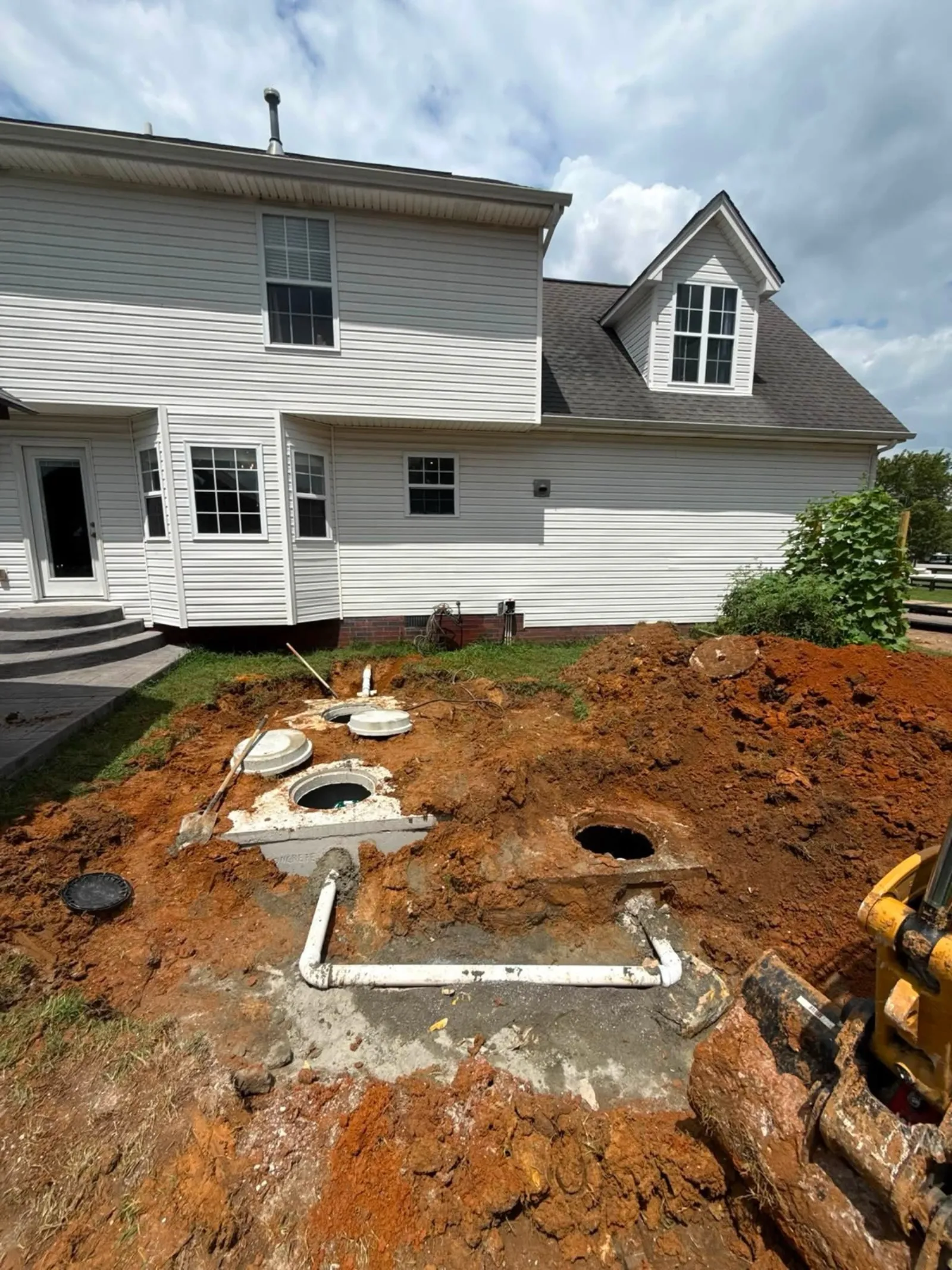
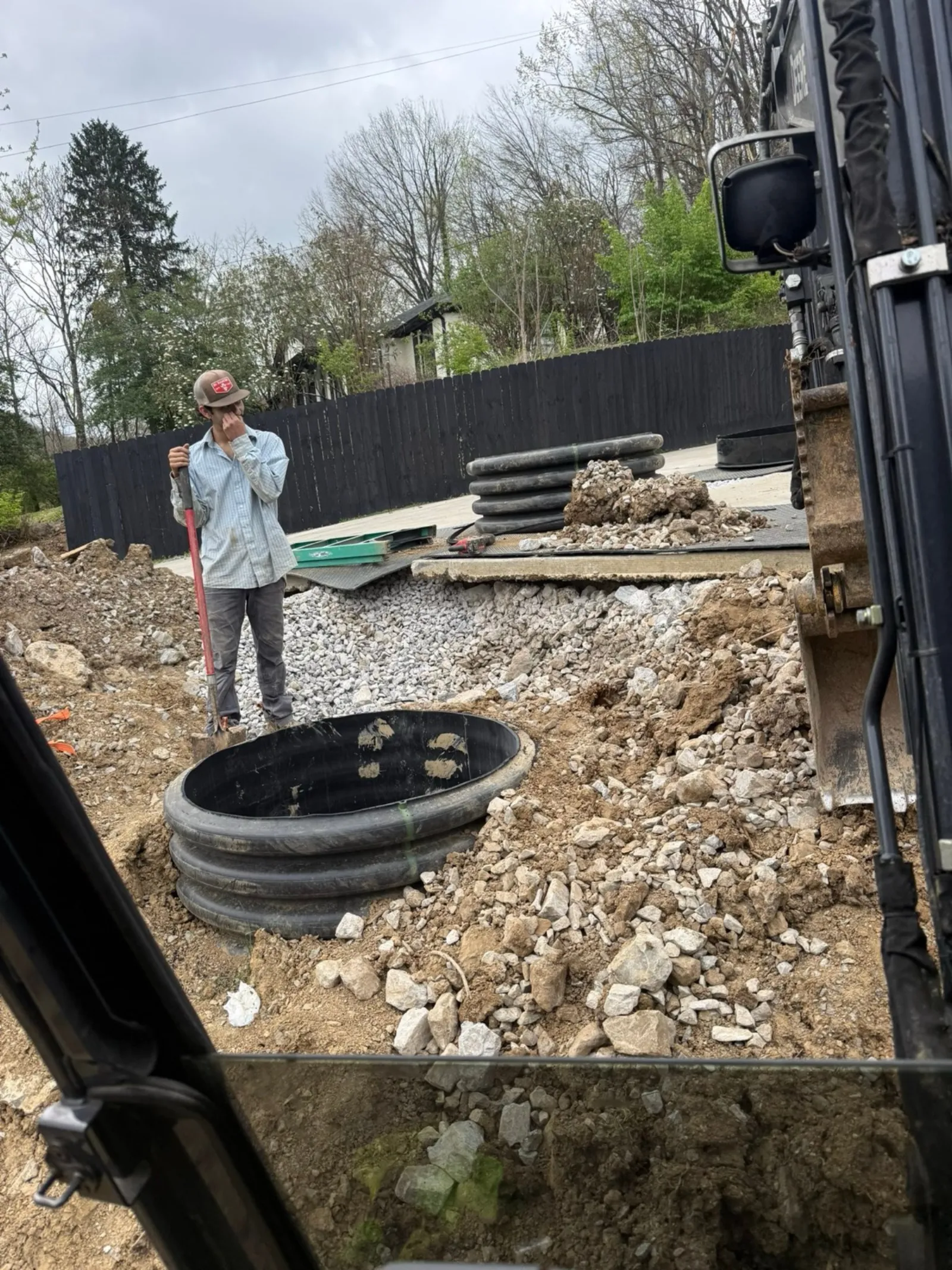
A riser is a short plastic ring that seals to the tank's access opening. Sections stack until the top reaches the grass. A lid caps the stack and locks or bolts down. Williamson County requires a ground level access riser on every manhole opening of a tank it permits. That riser to tank connection has to be watertight. The county also requires a manhole to each compartment, so a two compartment septic tank takes two risers.
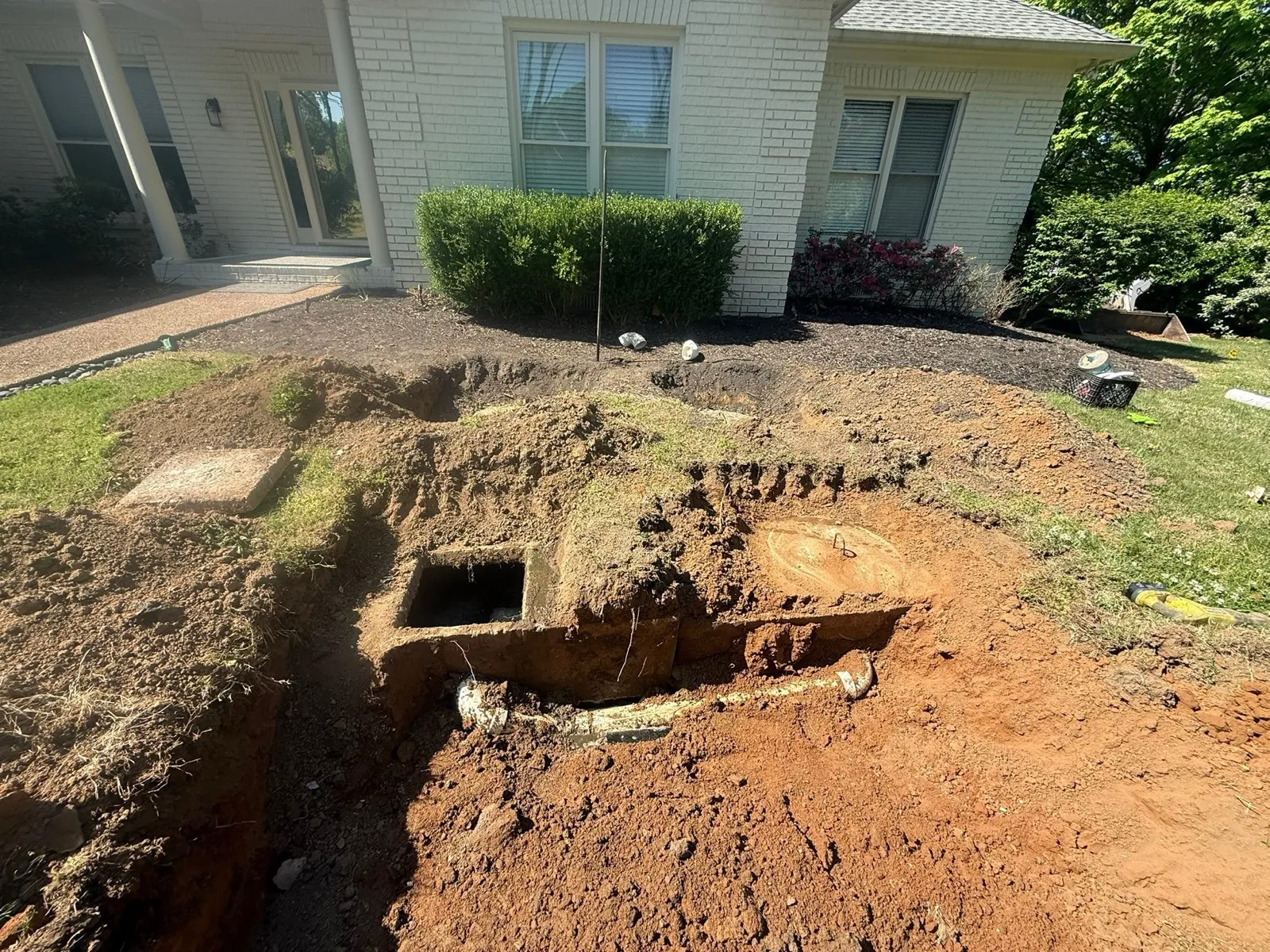
Middle Tennessee yards bury lids over time. Grading after a build raises the ground, and added topsoil raises it again. Heavy clay packs down hard over the tank top and hides the seam. Mowing and landscaping finish the job, and the lid disappears under sod. What you get is a lid nobody spots without a probe and a shovel. A riser turns that into lifting a lid off the grass. Pump outs and inspections both get faster once access sits at grade.
We start over the access opening, and if the tank is not located yet, we find it first. Then we dig down to the tank top and clear dirt off the concrete around the opening. The rim gets scraped clean, because the riser to tank joint has to be watertight. We set an adapter ring on the opening and stack riser sections until the top reaches grade. Each joint gets sealed as it goes on. A secured lid caps the stack, then we backfill in layers and grade the ground smooth.
Lid replacement is its own job. Concrete lids crack when a truck or a mower rolls over them. Older steel lids rust through at the edge and leave a hole in the yard. County specs call for a tank cover rated to hold 150 pounds per square foot. We pull the broken lid, clean the opening, and set a rated lid on a riser. Pump chambers take a 24 inch riser to grade over the pump and float switches. Tank cracks and failed baffles are a septic tank repair visit.
Records come first. Williamson County permits septic systems through its own office in Franklin, so a permitted system has a file there. Before the final inspection, the installer has to turn in an as built form with a drawing of the system. That drawing shows where the tank went in. Setbacks narrow the search too. County rules put septic tanks at least five feet off the house and fifty feet from a water supply. Our guide to septic permits in Williamson County covers what that office handles.
In the yard we start at the sewer line. The pipe leaves the house on one side, and the tank sits in line with it. We follow that run with a probe rod and feel for the tank walls. Grass that greens up first or a strip that dries out faster gives it away. A metal detector only helps if there is rebar or a steel lid to find. Once we have the corners and the opening, we dig down and set a riser, so the search happens once.
Depth is the biggest driver. A lid six inches down is a short dig. A lid two feet down under packed clay takes real digging. The number of access openings matters next. A two compartment tank has a manhole to each side, and each one takes its own riser. Riser height follows depth, since the stack has to reach grade. Tank condition counts too, because a chipped concrete rim needs work before a seal will hold.
Timing changes the number. A riser set during a pump out costs less than a separate trip, since the lid is already open. If the tank has to be found first, locating adds time. Pump chamber access runs higher than a plain tank lid, because the riser is wider. Wiring for the control panel has to stay reachable. Yard access matters too, and a tank behind a fence or under a deck means hand digging. We look at it on site and hand you one price, so ask for a free estimate.
Free, no-obligation estimates across Williamson County and Middle Tennessee.
(615) 957-9682From the first phone call to the final grade, here is exactly how it goes.
Tell us what the system is doing, or what the new build needs. You talk to the family, not a call center, and we set a time to come out.
We look at the tank, the field, the soil, and the access. Then you get one price for the whole job before any work starts.
We file the county or state septic permit where the job needs one, then dig, set, and plumb the work to what the permit calls for.
The inspector signs off before anything is covered. We backfill, grade the ground smooth, and leave the yard ready to seed.
Common questions about risers and lids across Williamson County and Middle Tennessee. Don't see yours? Give us a call and ask.
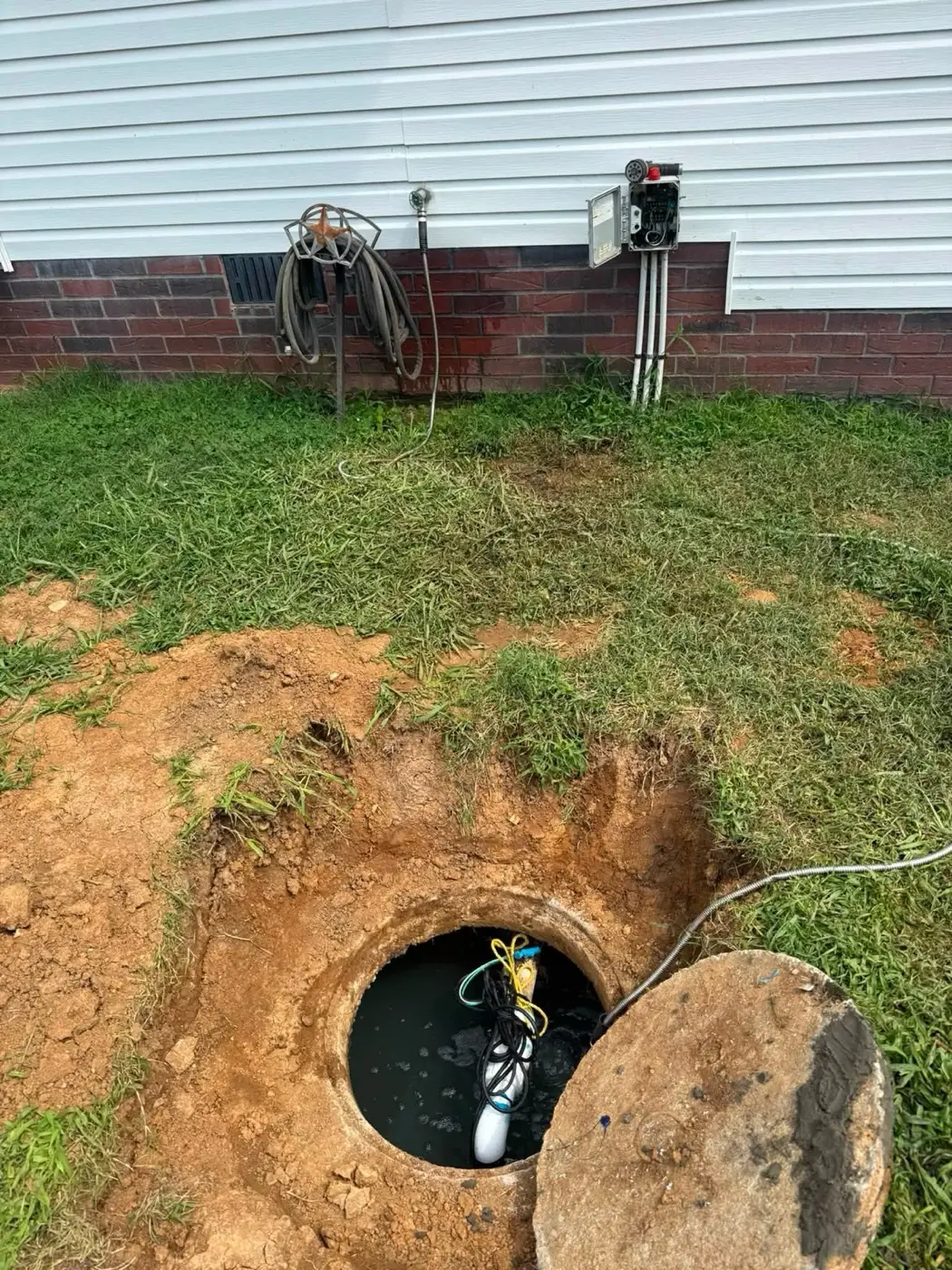
Septic tank repair for cracked tanks, broken lids and risers, failed baffles, and backed up lines. We pull the lid and find the real problem before we quote the work.
View Details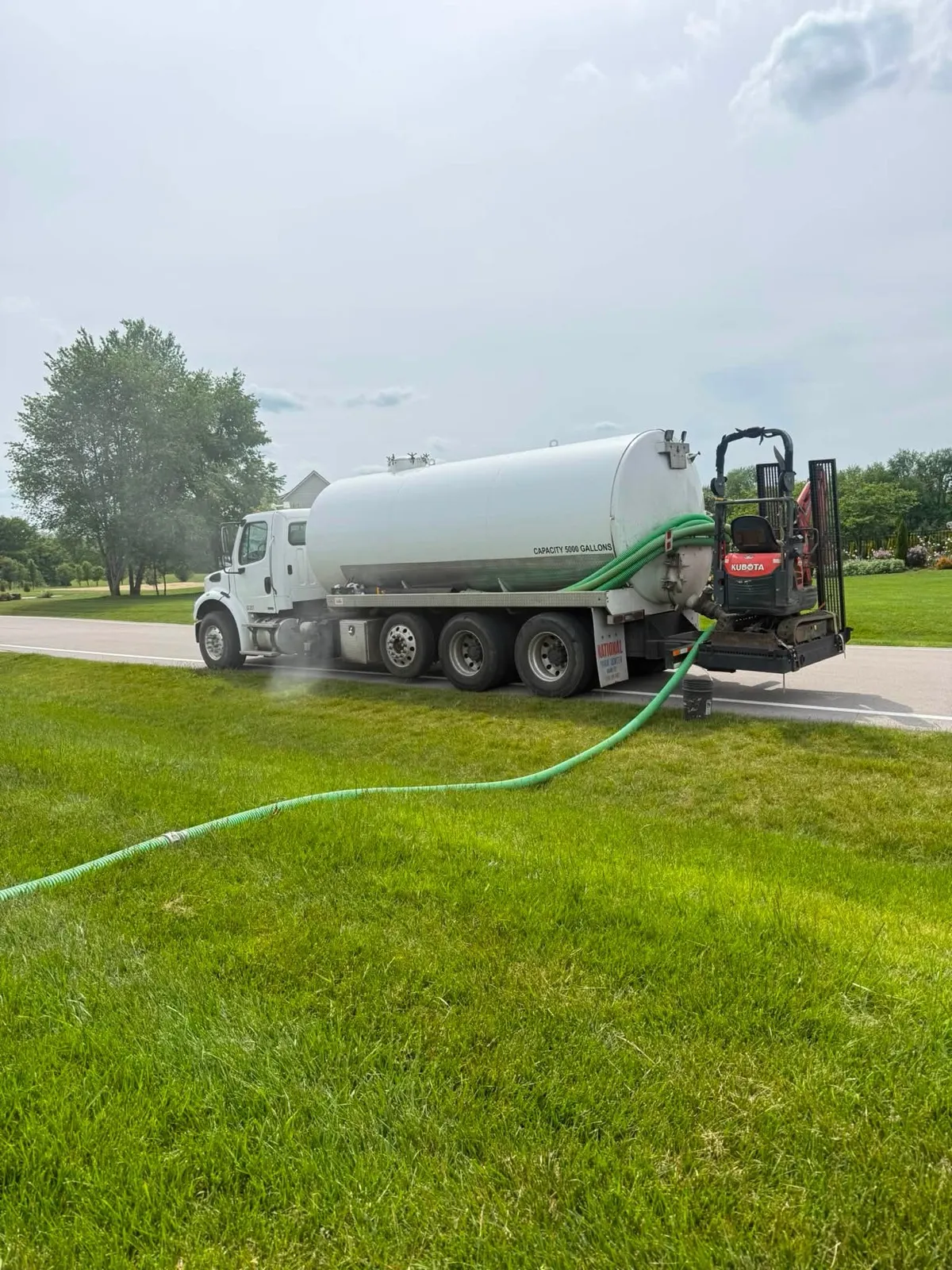
We pump and clean septic tanks for homes around Thompson's Station. Call (615) 957-9682 for a free estimate on your next pump out.
View Details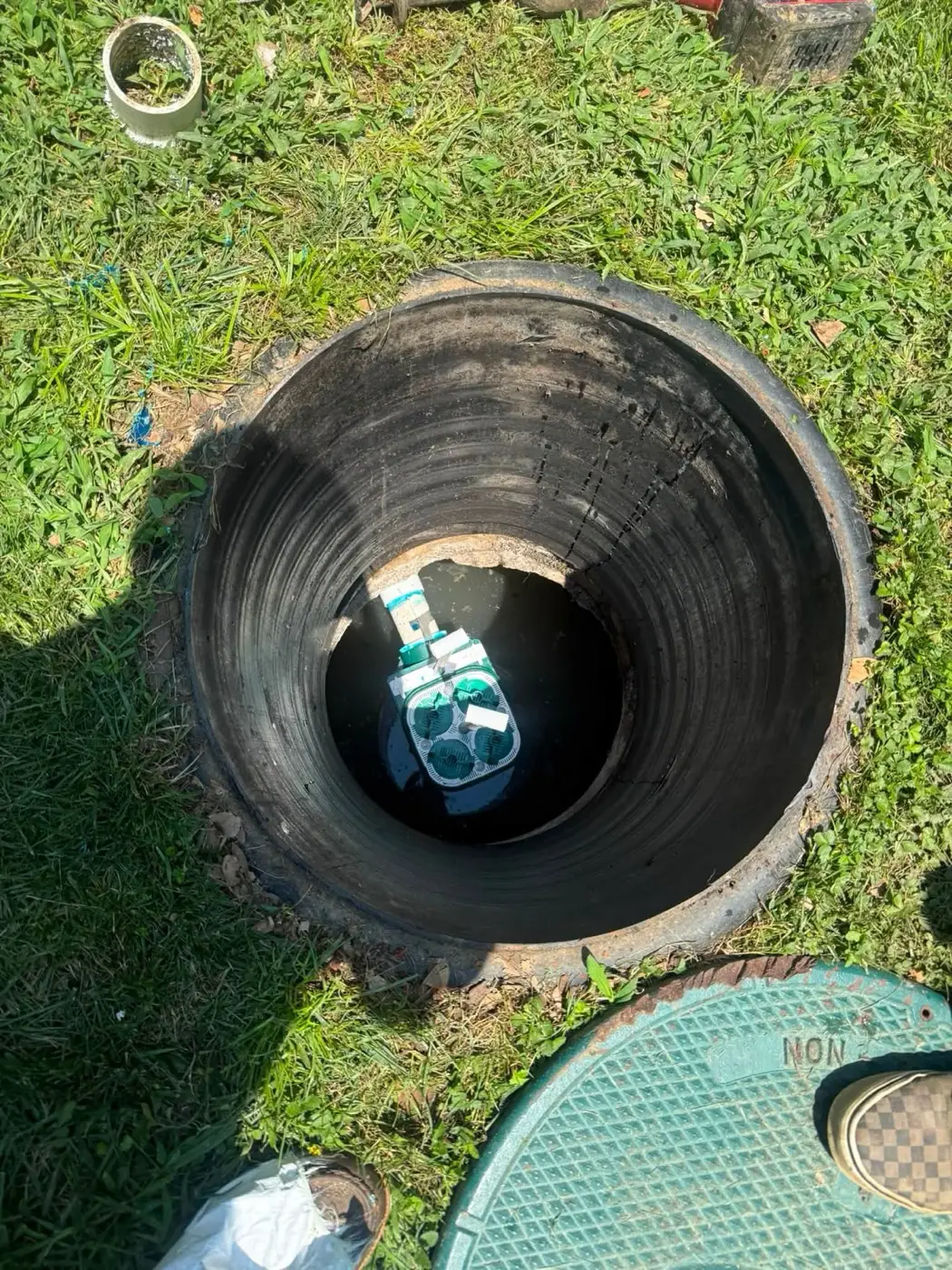
Septic tank maintenance keeps solids in the tank and out of your drain field. We measure the sludge and clean the filter, then set a pumping schedule that fits your household.
View Details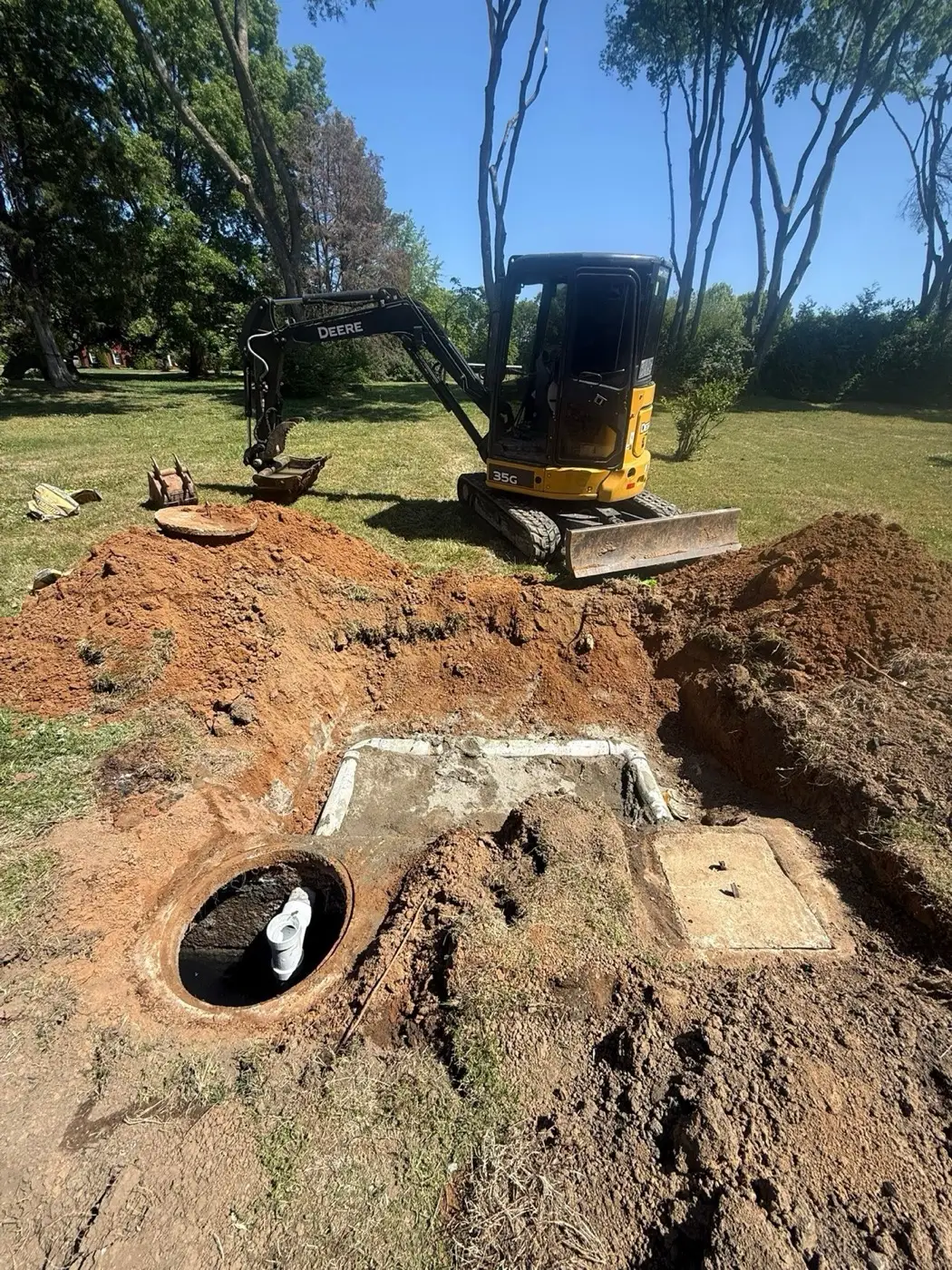
A septic tank inspection tells you what shape a system is in before you buy or sell. We open the tank and check the drain field, then put the findings in writing.
View DetailsMore than 20 years of septic work in Williamson County sit behind the company. That time spent digging through the clay and shallow limestone under these towns shapes every system we build.
Septic Superior is a family septic company. The same family crew plans the dig, does the work, and finishes the yard, so nothing gets handed off to people you never met.
Williamson County runs its own septic office, and the counties around it permit through the state. We file the right paperwork in the right office and never cover a system before the inspector signs off.
Tank, field lines, pumps, and the buried sewer and water lines that feed them. When something fails, we find the real cause instead of selling you the part we happen to fix.
A new build that needs a septic system, a tank that is overdue for a pump out, or a drain field that will not dry up? Call or send the form and we will look at the job with you and price the whole thing. The estimate is free.
Tell us about your project and we will get right back to you.